

Listing No Longer Available
The pen you're looking for has moved or is no longer available. Don't worry, the community has plenty more.
More from the community

Platinum #3776 Century L.E. , Sailor Pro Gear Slim and/or Benu Euphoria
$121.53 - $182.29
Lucas
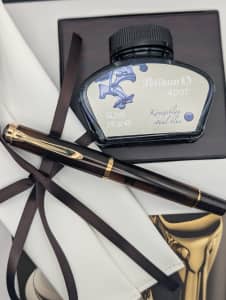
Pelikan Classic M200 Smokey Quartz Special Edition (2017) – Full Set – Mint/Uninked – B Nib
$170.14$194.44
Eiffeltower

Vintage Waterman Torsade Fountain Pen – Fluted / Spiral Pattern – Made in France – Excellent Condition
$97.22
Eiffeltower

Rare Vintage Pelikan M200 Blue Marbled Fountain Pen - NOS (New Old Stock) W. Germany
$145.83
Eiffeltower

Waterman Man 100 Fountain Pen – 18K Gold "Ideal" Medium Nib (1984–1989) + Boxed Set
$176.21
Eiffeltower

Rare First-Year Parker 75 Ciselé Sterling Silver (1964) – Flat Top – Matching Serial B1284 – Full Set w/ Box, Papers & Nib Tool
$315.97
Eiffeltower

YARD-O-LED The Pocket - Honeycomb
$723.08
fountainpenandink

Preowned Pilot Namiki Emperor Black Urushi Fountain Pen
$1,793.96
EvangelidisPens

Preowned Pelikan R620 City Series Piazza Navona Special Edition Rollerball Pen
$324.07
EvangelidisPens
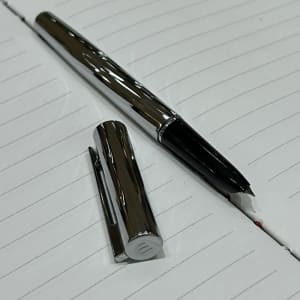
Waterman Facette Short Fountain Pen
$75.22
EvangelidisPens
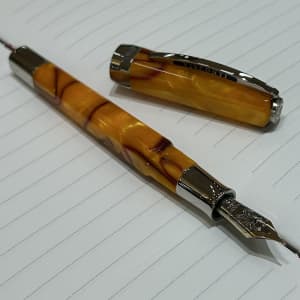
Preowned Visconti Opera Club Summertime Yellow Fountain Pen
$405.08
EvangelidisPens

Nishio Urushi Ebonite Kindai Maki-e Crane Fountain Pen 14KT Iridium Nib
$315.00
EngeikaShop

Ohashido Urushi Black Ebonite Nagahara 14K M Nib Fountain Pen
$840.00
EngeikaShop

Vintage 1940S Ishime-Nuri Urushi Warranted 14Kt Gold 3 Nib Fountain Pen Japan
$525.00
EngeikaShop

Wancher Stardust Japan Blue Sunrise Fountain Pen Jowo #6 Nib Japan
$462.00
EngeikaShop

No Name "Golpheresque" Overlay Fountain Pen - Blow Filler
$141.75
WriteRestorations

Watermans 52-1/2 - 2 English 9k Gold bands - BHR - 14k Watermans Semi-flex (Stubish) nib
$367.50
WriteRestorations

Large Wahl Eversharp Gold Seal Ringtop - Black Pearl celluloid - 14k Fine Signature nib
$136.50
WriteRestorations

Pelikan M200 Old Style 14Ct 585 B Vintage Fountain Pen
$155.87
vanvuurenantiques
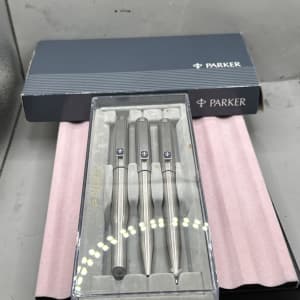
Vintage Parker 25 Stainless Steel Trio Set: Fountain, Ballpen & Pencil NOS
$64.94
vanvuurenantiques